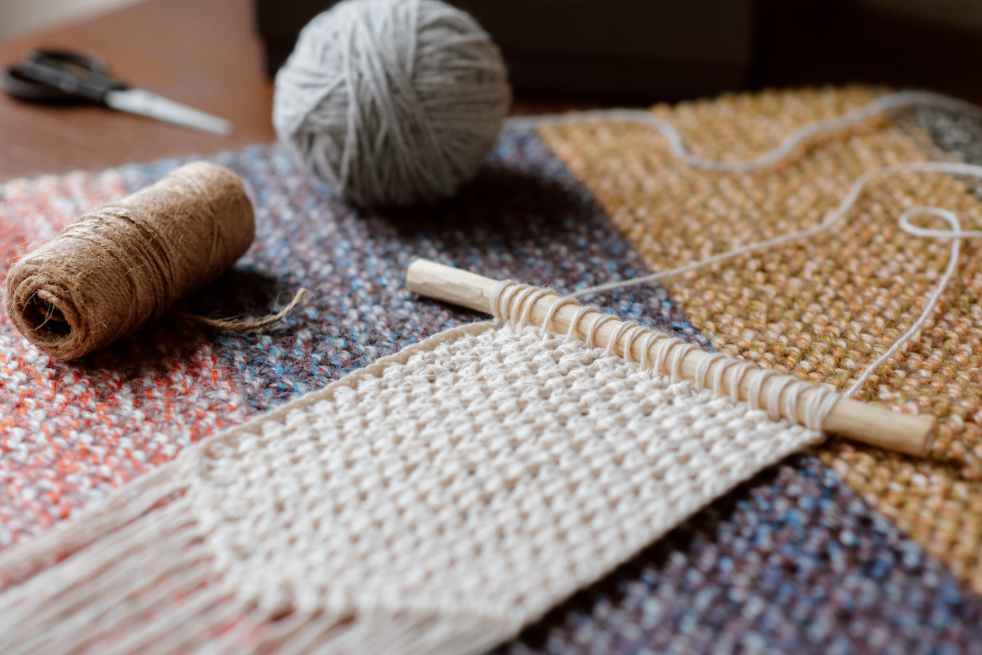
Macramé is an enjoyable craft involving intricate knot designs. Beginners can make a stunning wall hanging with minimal supplies and basic knotting techniques. The process involves setting up a workspace, cutting and attaching cords, creating various knots and fringes, and finishing with a secure knot for hanging. Enjoy experimenting with different designs and knot combinations!
Category: Knitting, Macrame, Crochet etc
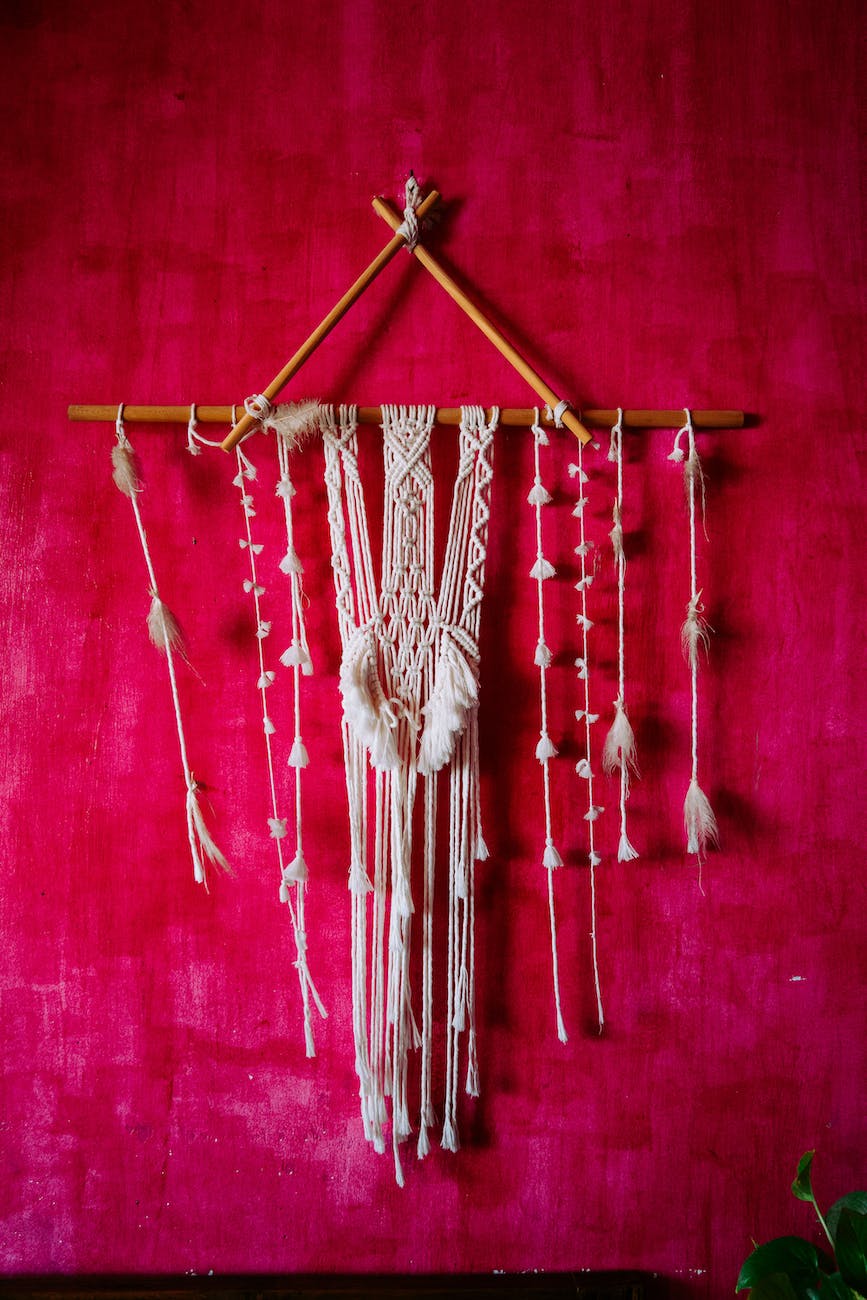
How to do a Lark’s Head Knot in Macramé
A Lark's Head Knot is a fundamental knot used in macramé and other crafts for attaching cords to a support, such as a dowel or ring. Here's a simple step-by-step guide on how to tie a Lark's Head Knot: Materials: Cord or rope Dowel or ring Steps: Cut Your Cord: Begin by cutting a piece… Continue reading How to do a Lark’s Head Knot in Macramé
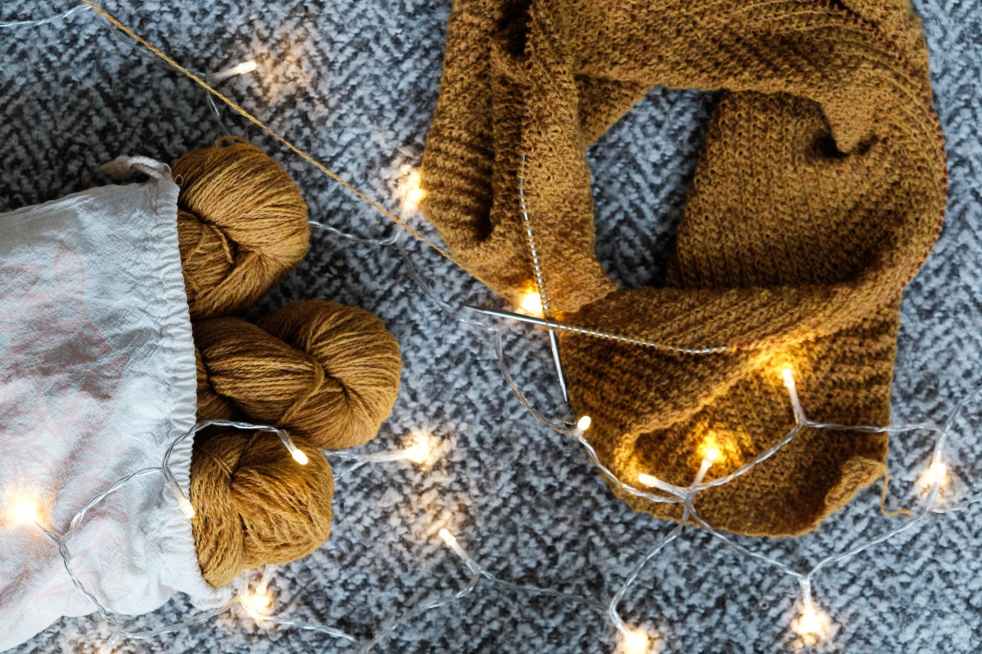
How to knit moss stitch for beginners
Moss stitch, also known as seed stitch, is a versatile knitting pattern suitable for beginners. It creates a textured fabric with seed-like bumps. To knit moss stitch, cast on an even number of stitches, then alternate between knit and purl stitches. Repeat these rows and pay attention to tension and stitch count for best results.
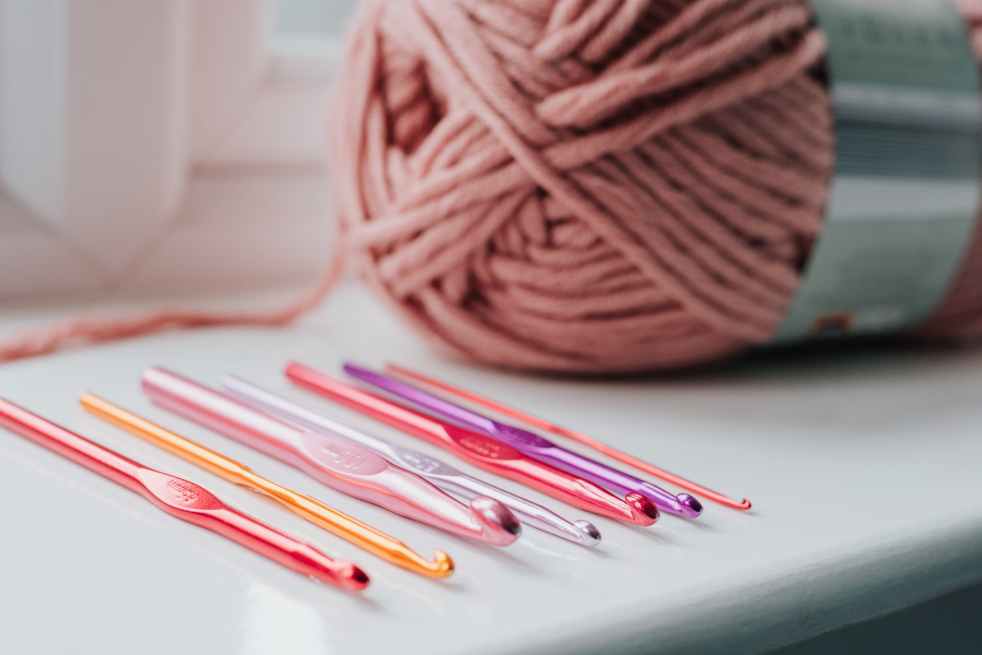
How to change colours when crocheting
In crochet, changing colors adds visual interest to projects. Two methods are commonly used: changing at the end of a row and in the middle. Consistent tension is vital, and weaving in ends secures the colors. Choosing complementary colors and practicing on small swatches help create beautiful designs. YouTube has helpful tutorials.
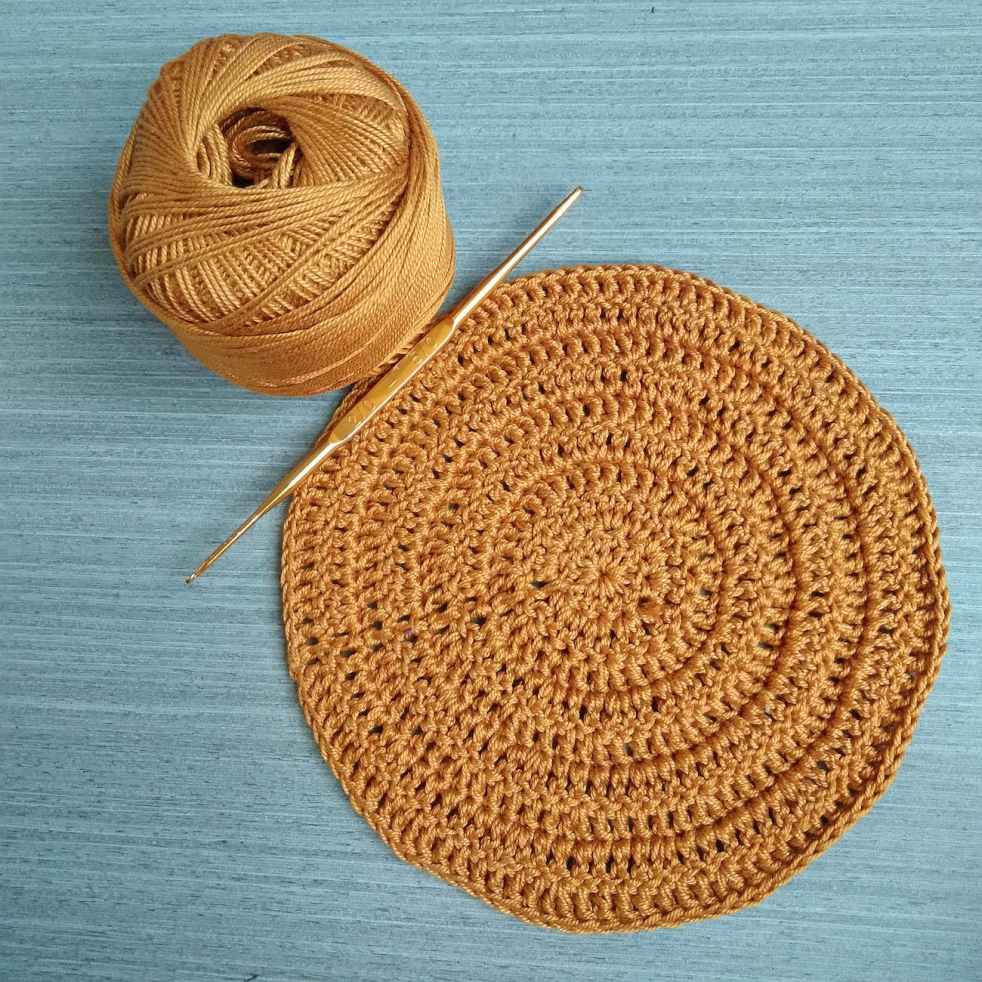
Gauge and Sizing in Knitting and Crochet
In knitting and crocheting, achieving the correct size and tension (gauge) is crucial for the finished project. Tips include using recommended yarn/needle, making a gauge swatch, adjusting needle size based on stitch count, following sizing info, considering yarn substitutions, and being mindful of tension. Additional tips include blocking your swatch and checking tension periodically.
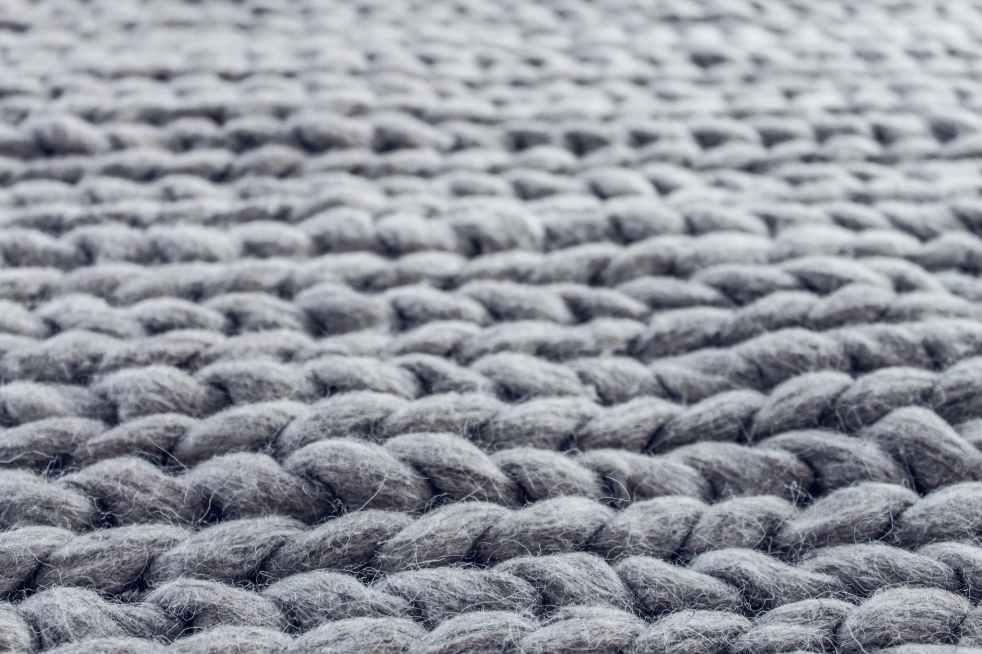
Blocking
Blocking is a vital step in knitting and crocheting, shaping and setting the final dimensions of the item. It helps even out stitches, improve drape, and enhance the overall appearance. Two common methods are wet blocking, involving soaking and shaping, and steam blocking, using steam to shape the item. This process is particularly effective for natural fibers like wool, allowing the fibers to relax and settle into the intended shape. Blocking can make a significant difference in the appearance and fit of handmade items, and is considered crucial by experienced crafters.
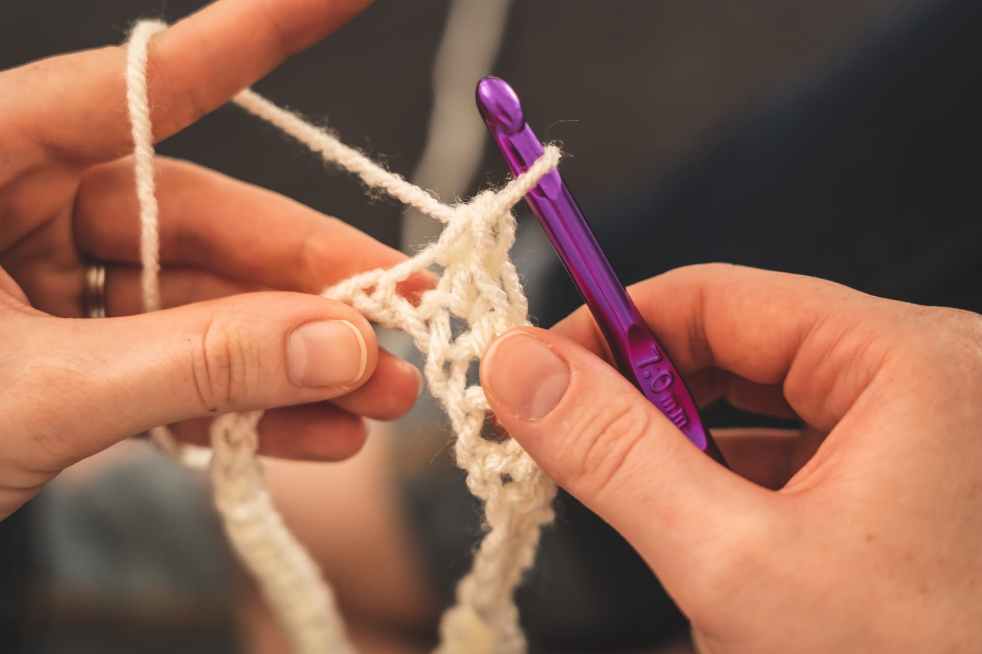
Crochet Beanie (simple) Pattern
This post provides a basic guide for crocheting a beanie hat. It outlines the materials needed and provides step-by-step instructions for creating the hat, including making a magic ring, increasing rounds, creating the body, and finishing the hat. The post encourages customizing the hat with different stitch patterns and colors.
What’s the best yarn to use?
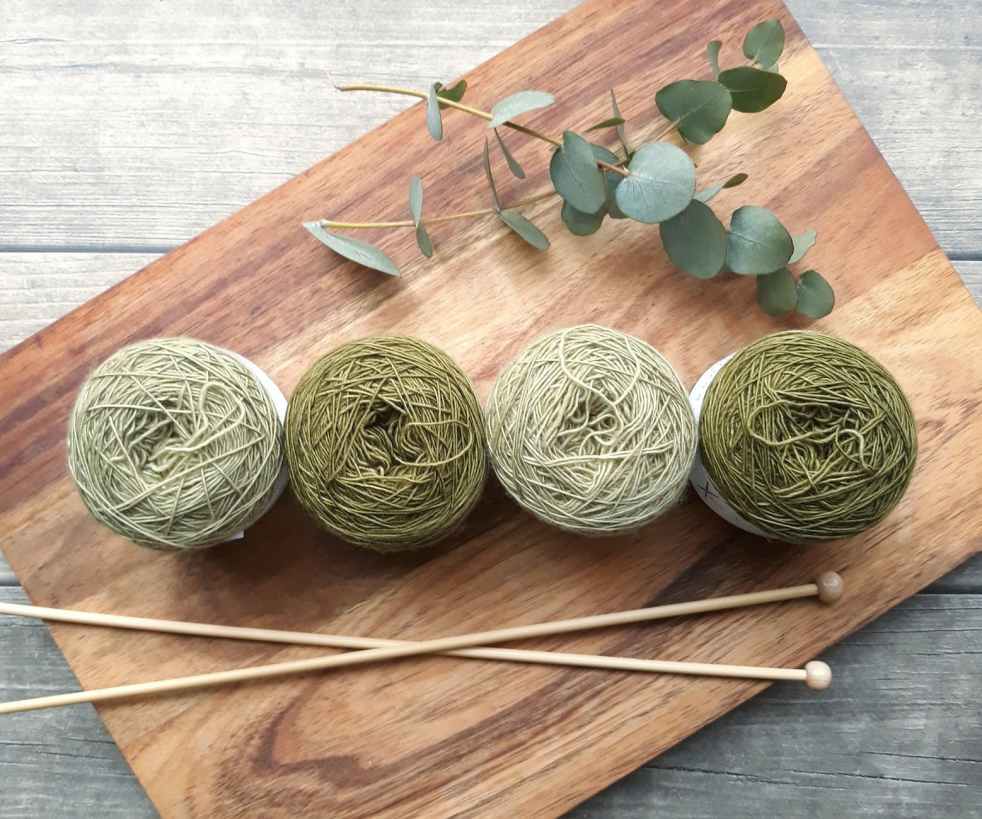
When choosing yarn for your project, consider factors like project type, preferences, and item use. Cotton is breathable but may lack elasticity, while wool is warm and elastic. Acrylic is affordable and machine washable, but may lack breathability. Ultimately, personal preference is key, so experiment to find the right yarn for your style and comfort.
 Pearl & Grey Handmade