I often get asked what’s the best yarn to use for a beanie or scarf or bag. The truth is there are no hard and fast rules for this.
Choosing the best yarn for your project depends on various factors, including the type of project, your personal preferences, and the intended use of the finished item.
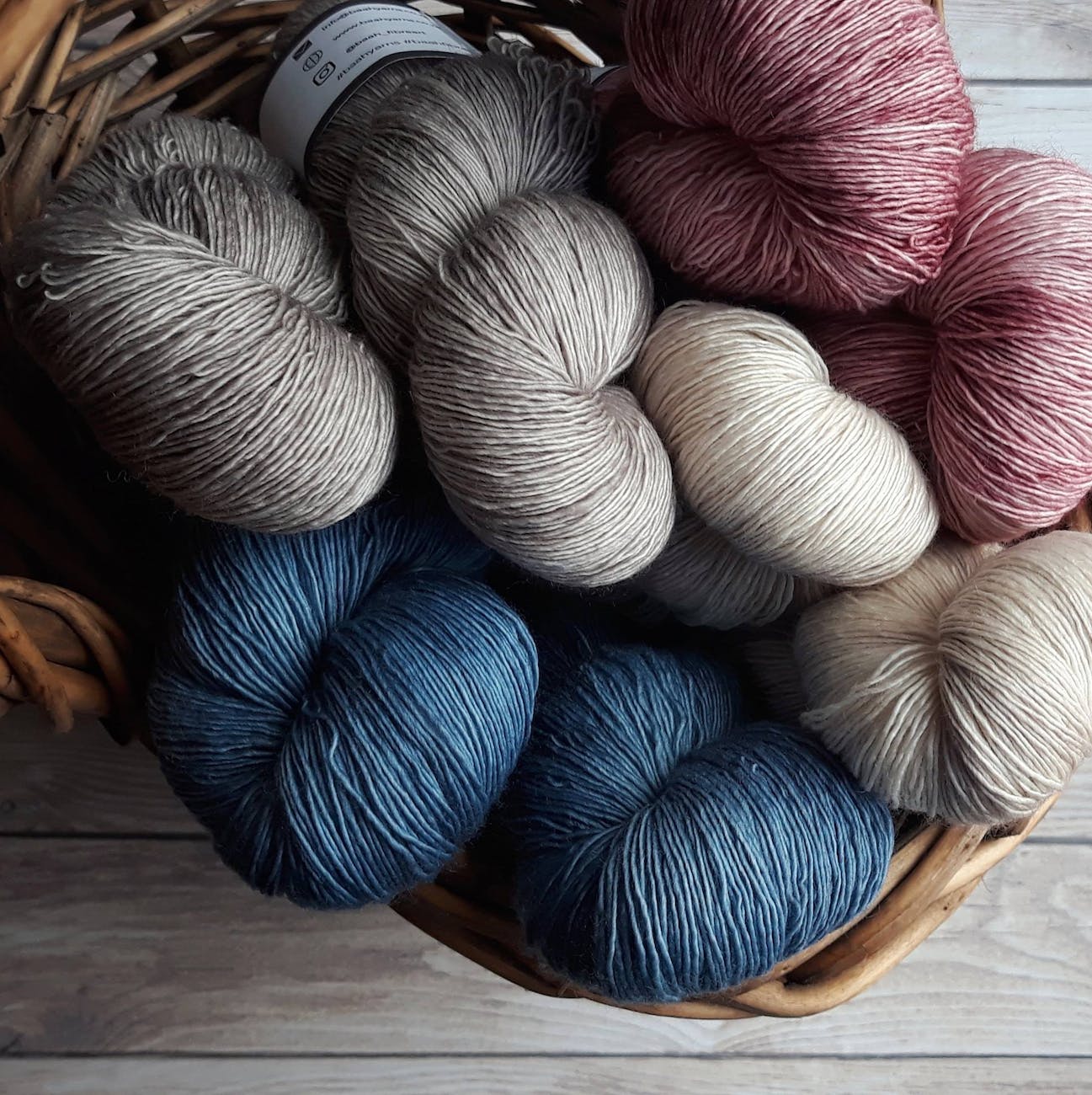
Here are some general guidelines for selecting yarn for different projects:
- Cotton Yarn:
- Best for: Dishcloths, summer garments, baby items.
- Pros: Breathable, absorbent, and suitable for warm weather.
- Cons: May lack elasticity, can be heavy for certain projects.
- Wool Yarn:
- Best for: Sweaters, scarves, hats, blankets.
- Pros: Warm, elastic, and comes in various weights for different projects.
- Cons: Some people may find it itchy; not suitable for those with wool allergies.
- Acrylic Yarn:
- Best for: Blankets, afghans, children’s items.
- Pros: Affordable, widely available, machine washable.
- Cons: May not be as breathable as natural fibres; can pill over time.
- Alpaca Yarn:
- Best for: Soft, luxurious items like scarves and shawls.
- Pros: Extremely soft, warmer than wool, hypoallergenic.
- Cons: Can be more expensive; may lack elasticity.
- Bamboo Yarn:
- Best for: Light, drapey projects like shawls and summer garments.
- Pros: Soft, breathable, and has a silky feel.
- Cons: May not be as warm as other fibres; can be less elastic.
- Mohair Yarn:
- Best for: Fluffy and lightweight accessories like scarves and wraps.
- Pros: Adds a halo and texture to projects, lightweight.
- Cons: Can shed and be itchy for some people.
- Linen Yarn:
- Best for: Summer garments, dishcloths, and home decor.
- Pros: Breathable, light, and becomes softer over time.
- Cons: Can be stiff at first, may lack elasticity.
- Nylon Yarn:
- Best for: Socks, durable items.
- Pros: Adds durability and stretch to projects.
- Cons: Can lack the natural feel of other fibres.
- Merino Wool:
- Best for: Soft, next-to-skin items like sweaters, hats, and scarves.
- Pros: Extremely soft, warm, and versatile.
- Cons: May be more expensive.
These are not set in stone, you may wish to make a loosely knitted scarf but would prefer a cotton yarn over a merino, it’s your personal choice and what you feel confident in knitting or crocheting with.
Remember to consider the care instructions for the yarn and the finished item. Additionally, always check the recommended gauge on the yarn label to ensure your project will turn out the right size.
Ultimately, personal preference plays a significant role, so feel free to experiment and find the yarn that suits your style and comfort.
Keep on crafting
Becks xo
 Pearl & Grey Handmade